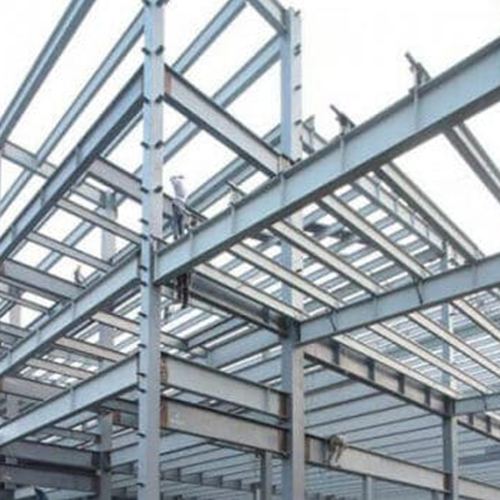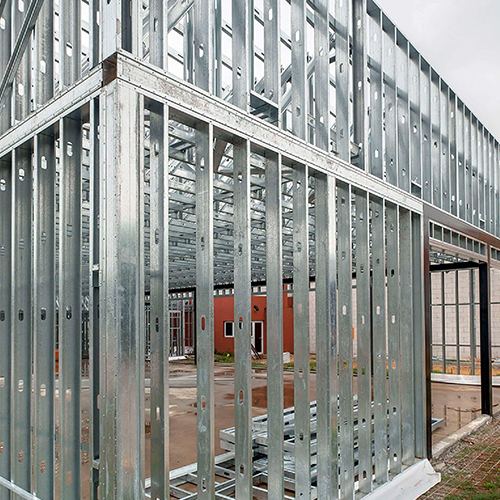
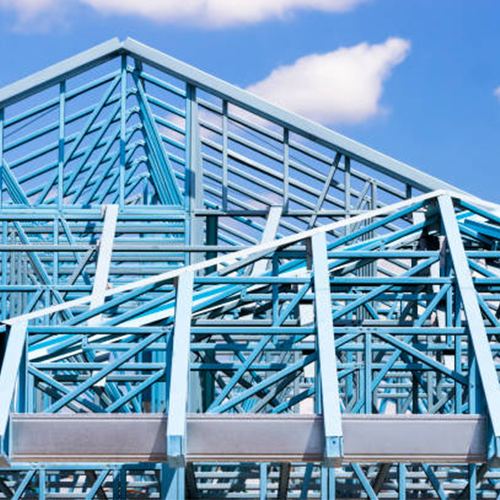
Steel roof trusses offer numerous advantages over timber, from enhanced durability to environmental sustainability.
Strength And Durability
Steel can support larger spans and heavier loads than timber, ideal for buildings that need large, open spaces without internal support columns. It's also unaffected by warping, splitting or rot, keeping the roof structurally sound over time — particularly valuable in regions prone to strong winds, heavy snow or earthquakes.
Pest And Rot Resistance
Unlike timber, steel trusses are completely resistant to termites, carpenter ants and other pests, and won't rot, mould or degrade from moisture — a low-maintenance, long-lasting solution.
Lightweight But Strong
Steel's high strength-to-weight ratio reduces overall load on a building's foundation while remaining easier to handle, transport and install — leading to faster construction and lower labour costs.
Fire Resistance
Steel roof trusses are non-combustible, maintaining structural integrity longer than wood during a fire and reducing the risk of collapse.
Sustainability And Environmental Impact
Steel is 100% recyclable and can be reused without losing structural integrity, reducing construction waste and the demand for deforestation associated with timber.
Precision And Consistency
Steel trusses are manufactured to precise specifications, reducing installation errors and producing a more uniform, stable roof structure than variable natural timber.
Lower Long-Term Costs
Steel requires less maintenance and fewer repairs, and its resistance to pests, moisture and fire means fewer remediation costs over the life of the building.